Understand the reasoning
What should change when a plan is personal?
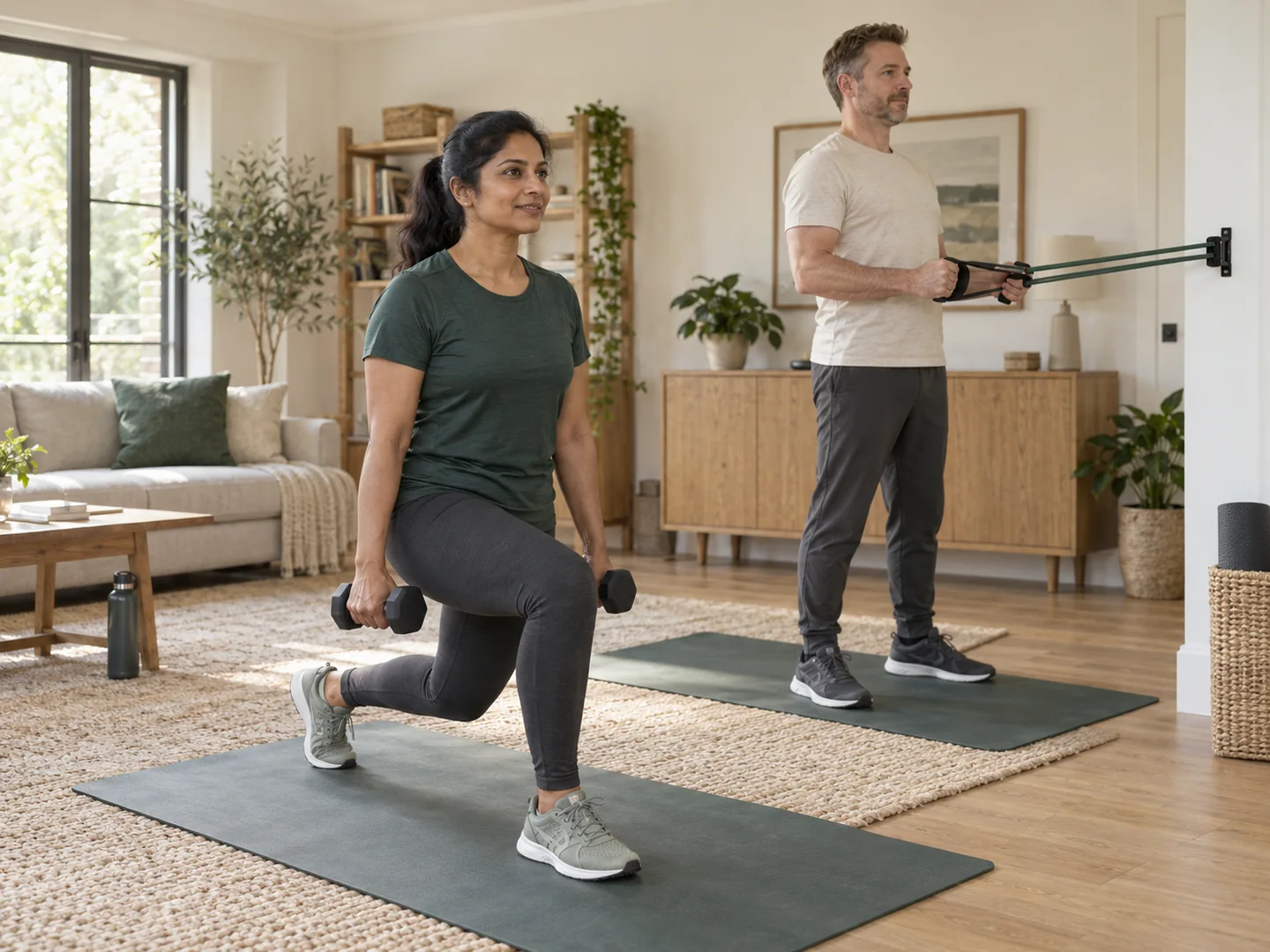
Two people can share a goal and still need different starting points. Personalisation is about asking what changes the decision, then paying attention to the response.
The learning library
Learn what changes a decision, what a number can tell you and where a general answer ends.
Every lesson is free to read. No sign-up needed.
Useful questions. Linked sources. Clear limits.
Understand the reasoning
Two people can share a goal and still need different starting points. Personalisation is about asking what changes the decision, then paying attention to the response.

For beginners and returners
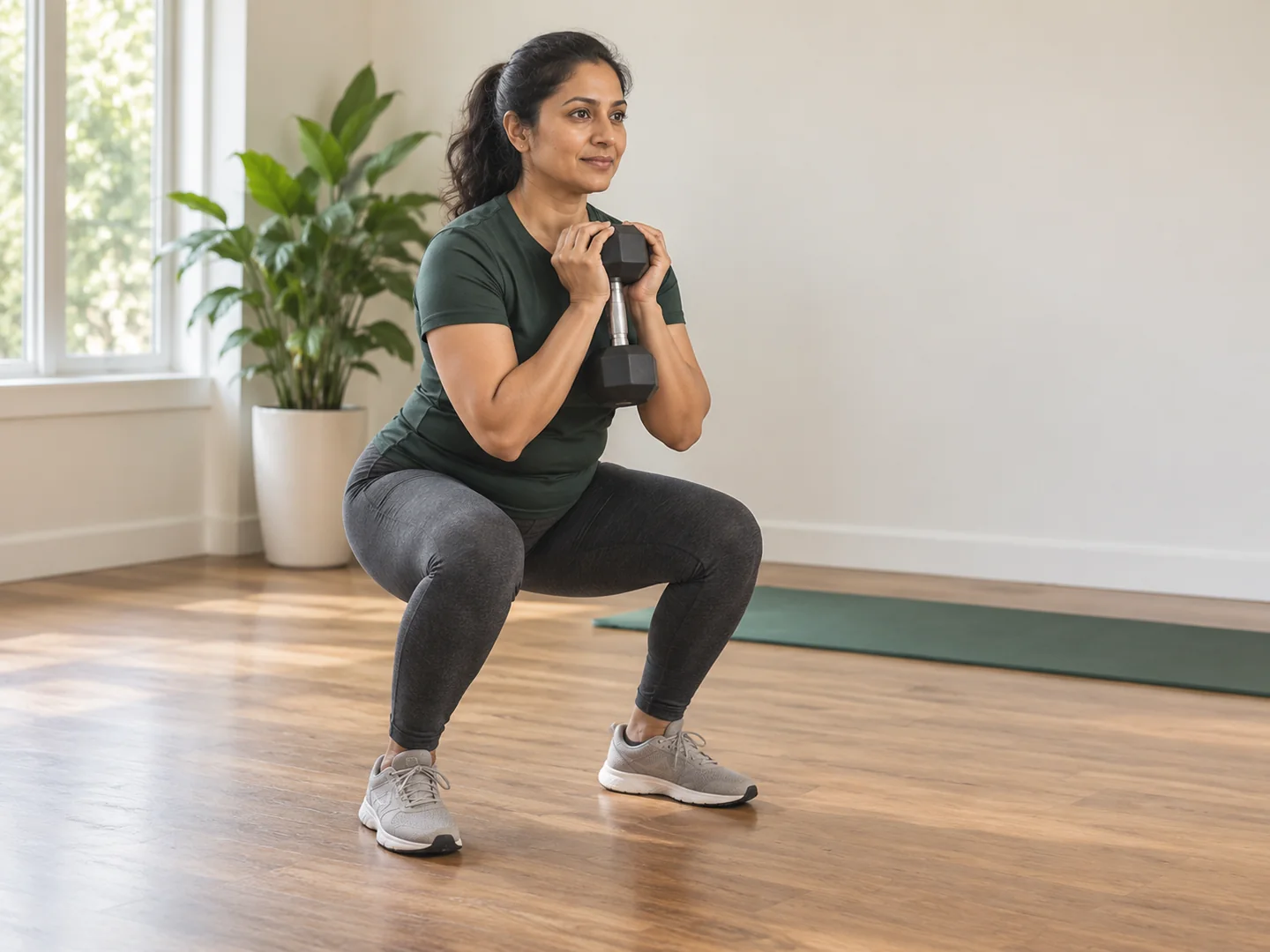
The first useful step is one you can understand. Learn what a movement is for, find an appropriate starting point and make feedback part of the process.

Familiar food, useful reasoning
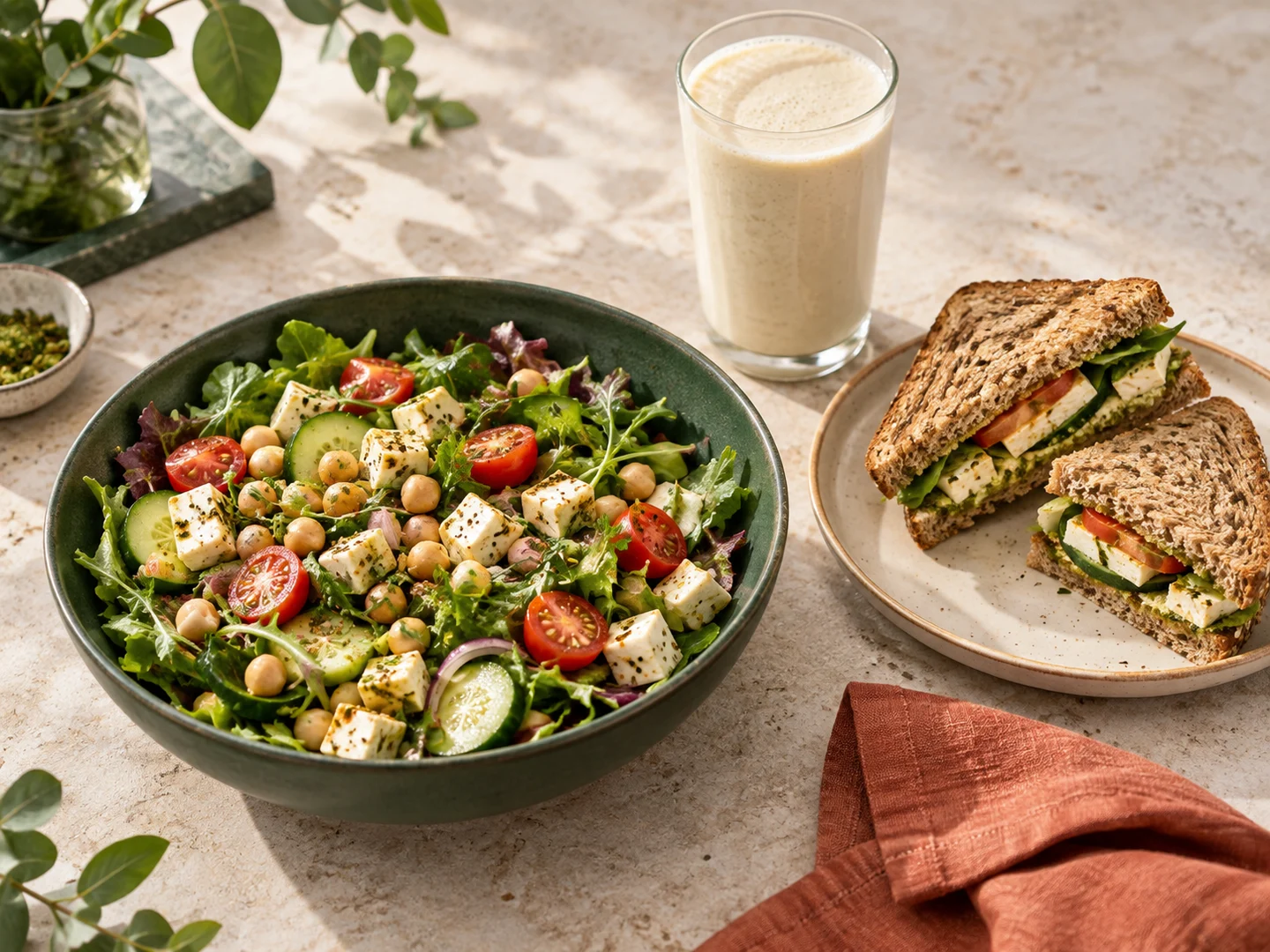
Food planning becomes more useful when it considers the meal, the person and the week. Start with familiar food and understand a number before letting it direct a decision.

Consistency without all-or-nothing thinking
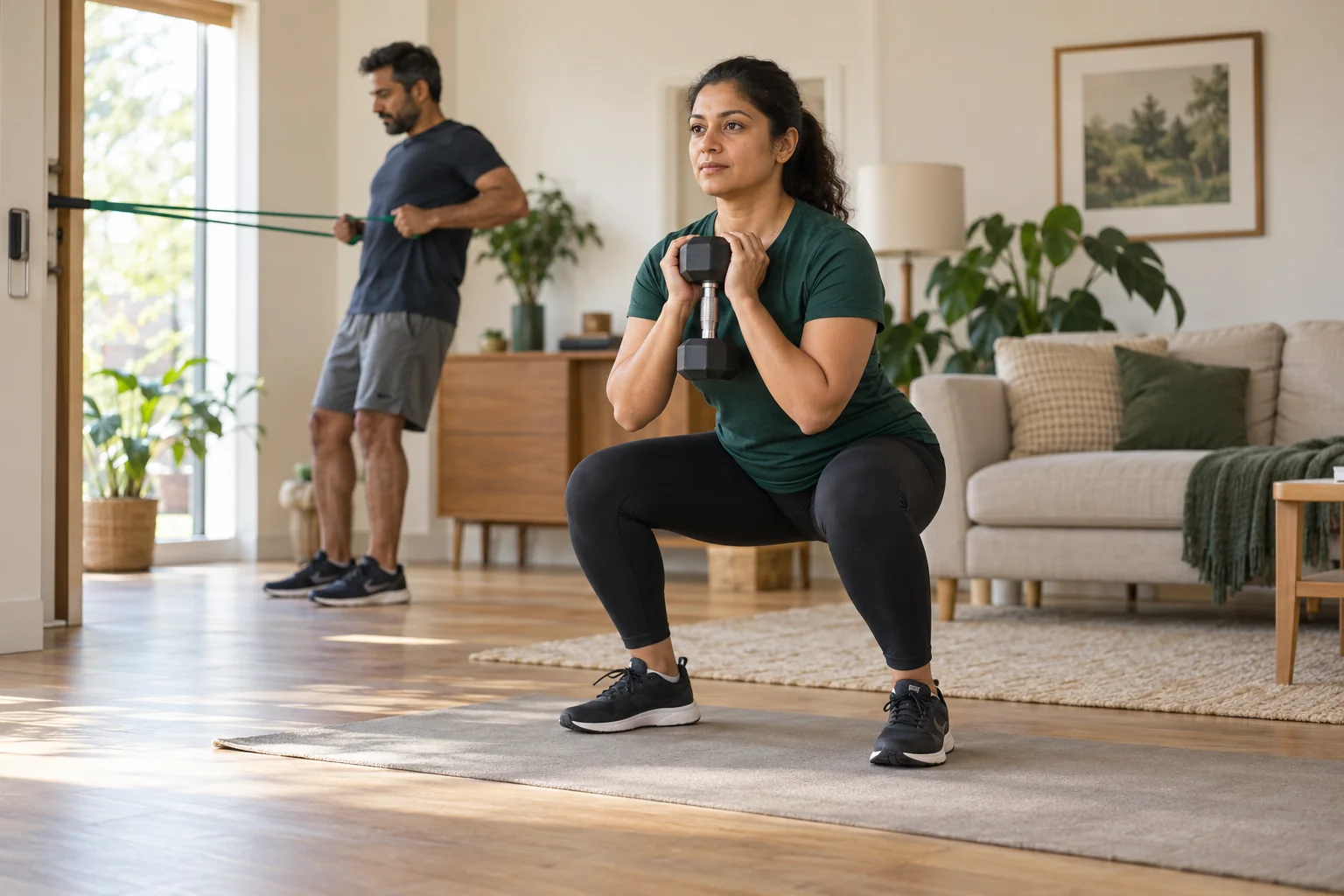
A plan should include the weeks that do not go to plan. Identify the obstacle, prepare a realistic alternative and review what happened without turning a missed session into a verdict.

Function, capacity and real life
Being over 40 does not describe your ability or experience. Start with the activities that matter to you, then ask which capacities and circumstances deserve attention.

For parents and young people aged 8–18
Children’s coaching should make room for learning, choice and family context. The aim is movement skills and constructive participation, without dieting, body comparisons or unnecessary mental pressure.
A source gives a claim context. It does not make every statement about fitness true—or turn a general lesson into a personal plan.
How we use evidence